
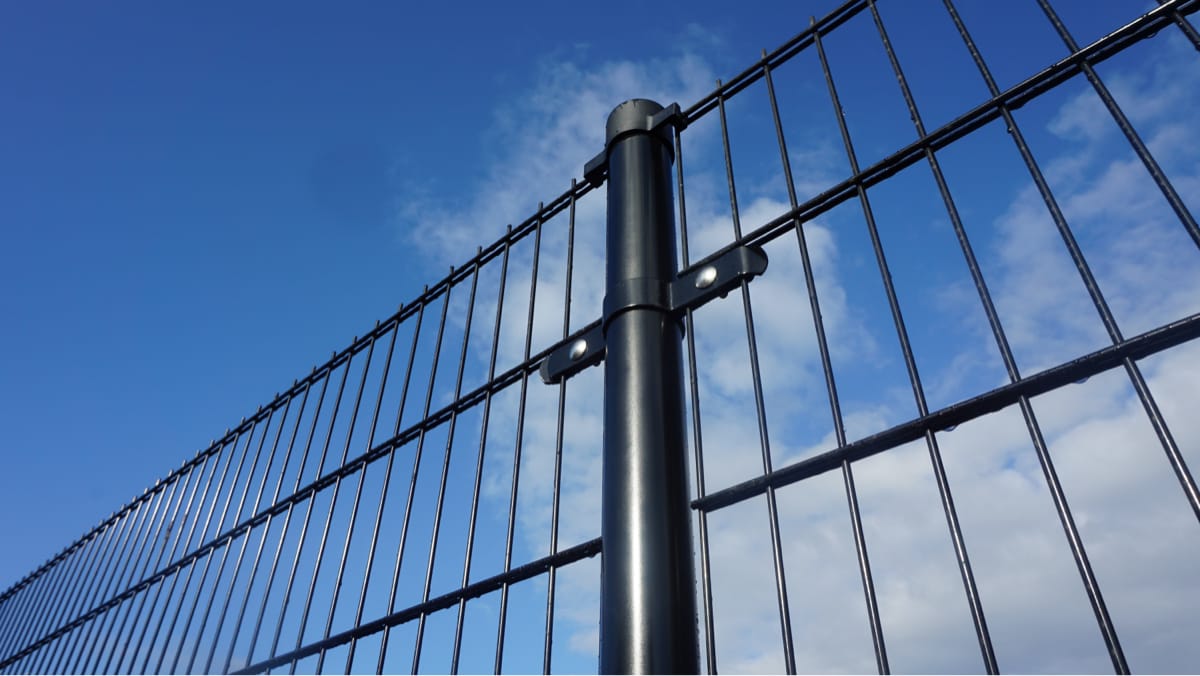
Fence installation can be a straightforward process if you start with the right materials and follow key steps to ensure stability and durability. Whether you're working on a residential, commercial, or industrial project, choosing the appropriate fencing type and planning ahead are crucial. This guide focuses on installation tips for Fenceweb's most popular fencing solutions, helping you achieve professional results.
How to install double wire fences
Double wire fences are known for their strength and stability, making them a top choice for securing commercial properties or public spaces. To ensure a smooth installation:
These sturdy panels, available in various gauges, are ideal for projects requiring robust security. Fenceweb offers a range of double wire fences designed to meet different project specifications.
- Plan post placement carefully to provide even support along the fence line.
- Secure posts with concrete to prevent movement and maintain alignment.
- Attach the panels to the posts using durable brackets or clips designed for double wire fences.
Tips for installing 3D wire fences
3D wire fences, also called V-mesh fences, are an economical solution that doesn't sacrifice strength. The distinctive V-shaped bends provide extra rigidity, making this fence ideal for residential and light commercial use. For the best results:
The versatile 3D wire fence panels from Fenceweb are an excellent choice for cost-conscious projects that still demand durability.
- Use tools like a post hole digger and level to ensure proper alignment.
- Align the V-bends consistently across all panels for a professional finish.
- Protect the panel coatings during installation to maximize corrosion resistance.
Installing decorative fences
Decorative fences are ideal for projects that emphasize aesthetics while maintaining functionality. Their intricate designs make them popular for parks, gardens, and premium properties. During installation:
Fenceweb provides a variety of decorative fence panels to suit a wide range of projects.
- Pay extra attention to alignment, as misaligned panels can disrupt the decorative patterns.
- Use proper hardware to secure panels without compromising the design.
- Coordinate the fence with surrounding landscaping for a cohesive appearance.
General tips for a successful installation
Regardless of the fencing type, preparation and precision are key to success. Ensure that:
- The ground is cleared and leveled to create a stable base for the fence.
- All local regulations and building codes are reviewed before installation begins.
- Every panel and post is inspected for stability once installed, with adjustments made as necessary.