
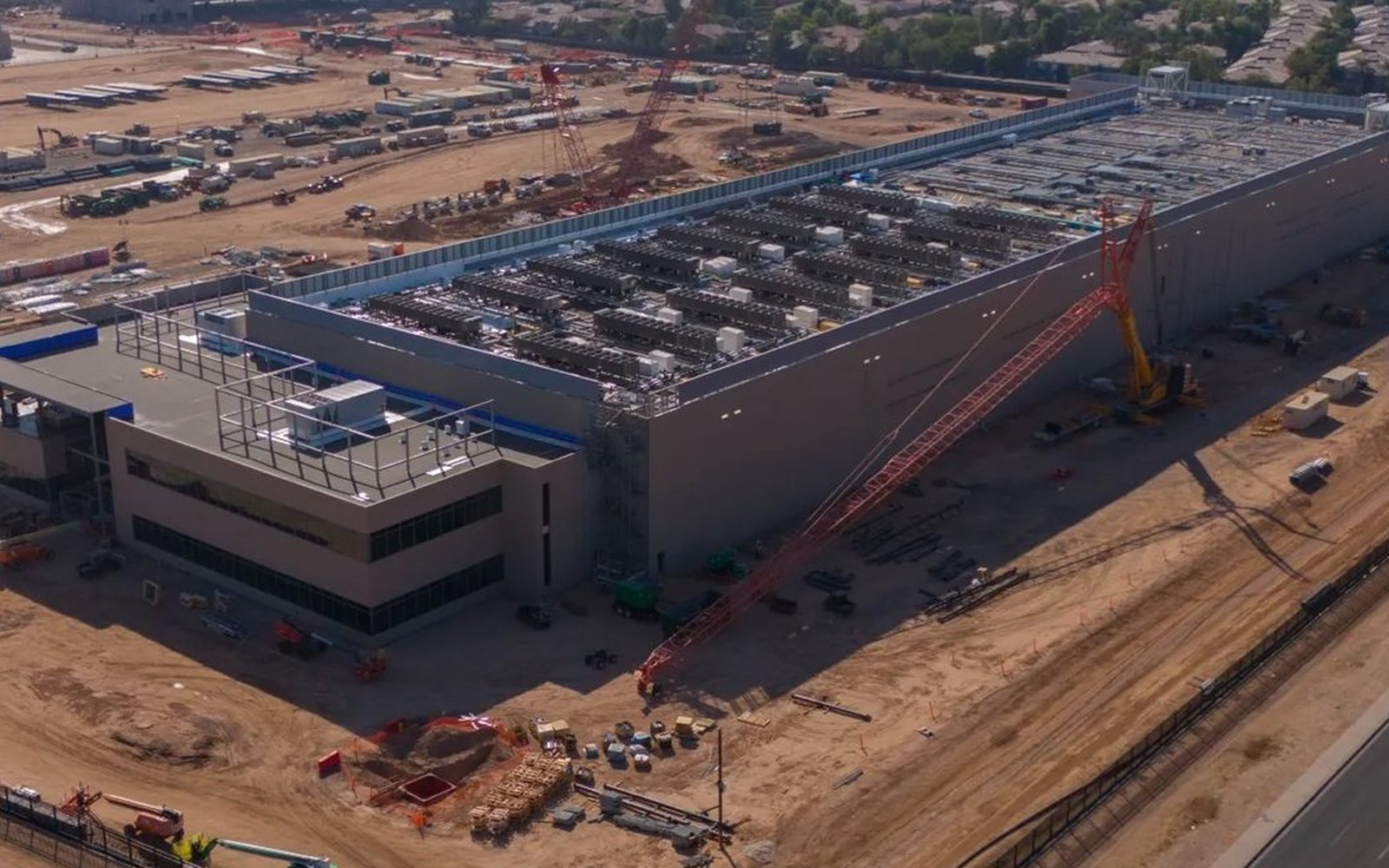
Ask a contractor how tall a data center fence should be and you will get a number in feet. Ask the security consultant and you will get a number in minutes. The consultant is right, and the difference decides which fence ends up in the spec.
The short answer
- A perimeter has to delay an intruder longer than it takes your team to detect, verify and respond.
- That delay is what an SR rating measures: minutes of working time against a defined toolkit, tested in a laboratory.
- The site line is usually [358 security fence](/fence-panels/wire-fence/security-fence); higher ratings go where the response is slowest or the asset most critical.
- A rating only survives on site if panel, post, fixing and footing are installed as the system that was tested.
Detection plus response has to be less than delay
Every perimeter spec comes down to one inequality. Cameras, thermal and fence-mounted sensors tell you that someone is there. Your control room verifies, and guards or law enforcement have to arrive. The fence has to hold for that entire time.
- **Detection:** cameras, thermal and fence-mounted sensors. This is minute zero.
- **Verify and respond:** your control room verifies, then someone has to arrive.
- **Delay:** the minutes in your fence. Detection plus response has to be less than this number.
Detection without delay is an alarm on an open door. That is why the fence is the one part of the sum you can buy, specify and, with a rated system, have tested by an independent body.
What SR ratings and LPS 1175 actually mean
LPS 1175 is a forced-entry standard from BRE, certified through the LPCB and listed on the public RedBook Live register. Issue 8 of the standard replaced the old SR1 to SR8 scale with a letter and a number: the letter is the toolkit, the number is the minutes of delay.
- **A1 (was SR1), 1 minute:** pocket tools such as a screwdriver, pliers and a knife. Typical use: the full site line.
- **B3 (was SR2), 3 minutes:** hand tools with leverage such as a bolt cutter, a pry bar and a hacksaw. Typical use: generator yards and conduit entries.
- **C5 (was SR3), 5 minutes:** heavy tools such as a sledgehammer, an axe and long croppers. Typical use: the line closest to the data hall.
- **D10 (was SR4), 10 minutes:** cordless power tools such as a drill, a saw and an angle grinder. Typical use: the highest-risk zones, by layering two lines.
The link between the old and the new notation is the industry's working translation, not an automatic conversion. A rating belongs in a spec with its certificate number, so your consultant can check it on the register. Our systems are in the LPS 1175 certification process; until the certificate is issued we do not quote a rating as held.
Which fence goes in which zone
A data center campus is not one perimeter but several, and the rating follows the zone. On a campus with guards on site, we typically see A1 on the site line and B3 or C5 on the technical zone. On a remote site where response has to drive in, those ratings move up.
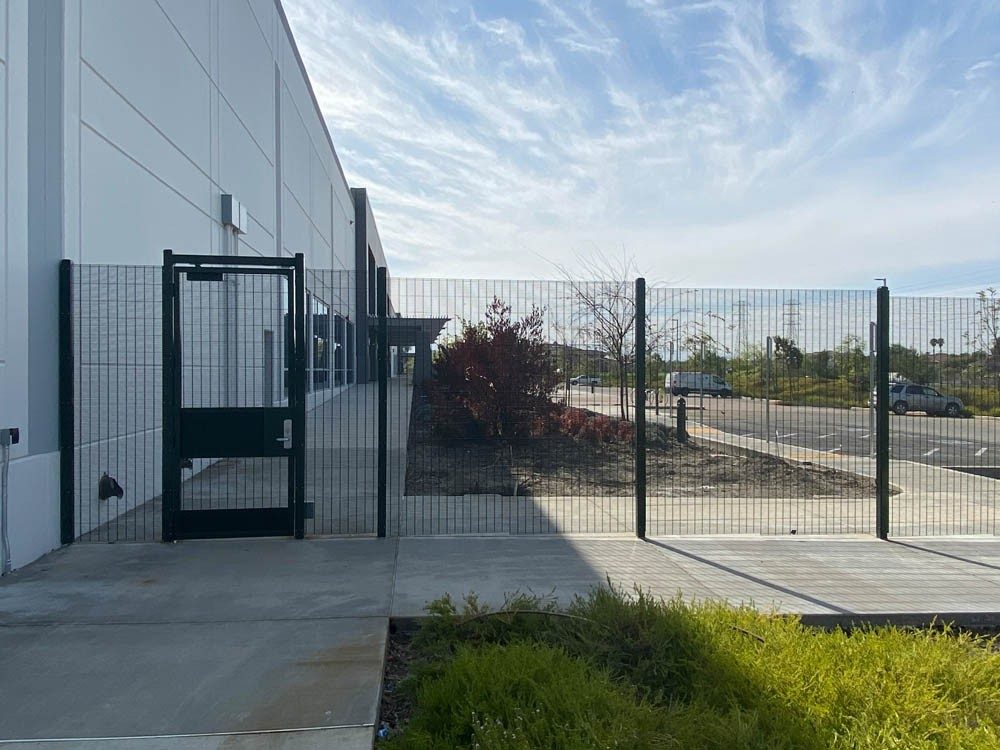
- **Site line:** [358 security fence](/fence-panels/wire-fence/security-fence), with a 3 x 1/2 in. mesh too small for fingers or tool tips, up to 20 feet tall.
- **Equipment:** gensets, chillers, transformers and conduit entries caged separately, with a roof grille and a service door.
- **Openings:** [gates](/fence-gates) built to the opening, personnel doors in the line itself, and turnstiles where people come and go all day.
Keep the rating on site
This is where most perimeter jobs come apart. A rating describes a complete system: panel, post, fixing and footing, tested as one assembly. Swap the post for a cheaper one, cut a panel to fit a corner or skip the post-setting schedule, and the rating no longer applies, whatever the submittal says.
So the installation instructions, the post-setting schedule and the cut sheets belong with the steel, and the crew that sets the fence needs them before the first post goes in. Extending a rated line later is fine, as long as you place the same build. Modifying it is a different story.
The paperwork an auditor reads
Data centers are audited on what they can show. SOC 2 and ISO 27001 ask for physical access controls you can evidence, FedRAMP workloads bring the NIST 800-53 PE family, and TIA-942 treats site security as part of the facility rating. A zone plan with the rating per line, as-built drawings, a coating report and a maintenance schedule are what make a fence auditable.
Send your site plan, get a rating and a takeoff back
Send us the site plan and the security narrative, and we return a rating per line, the spec sheet and a bill of materials by phase, from an engineer within one business day.
Read more about [data center perimeter security](/datacenters), browse [358 security fence](/fence-panels/wire-fence/security-fence), or [request a quote](/request-a-quote).