
Gabion Fence
A gabion fence is two rows of welded double wire panels, held apart by spacers and filled with stone. The result is a solid, heavy wall that blocks the view. You need the panels, gabion posts set in concrete, spacers to hold the two sides apart, and pliers to close the C-clips. Read more
4 products
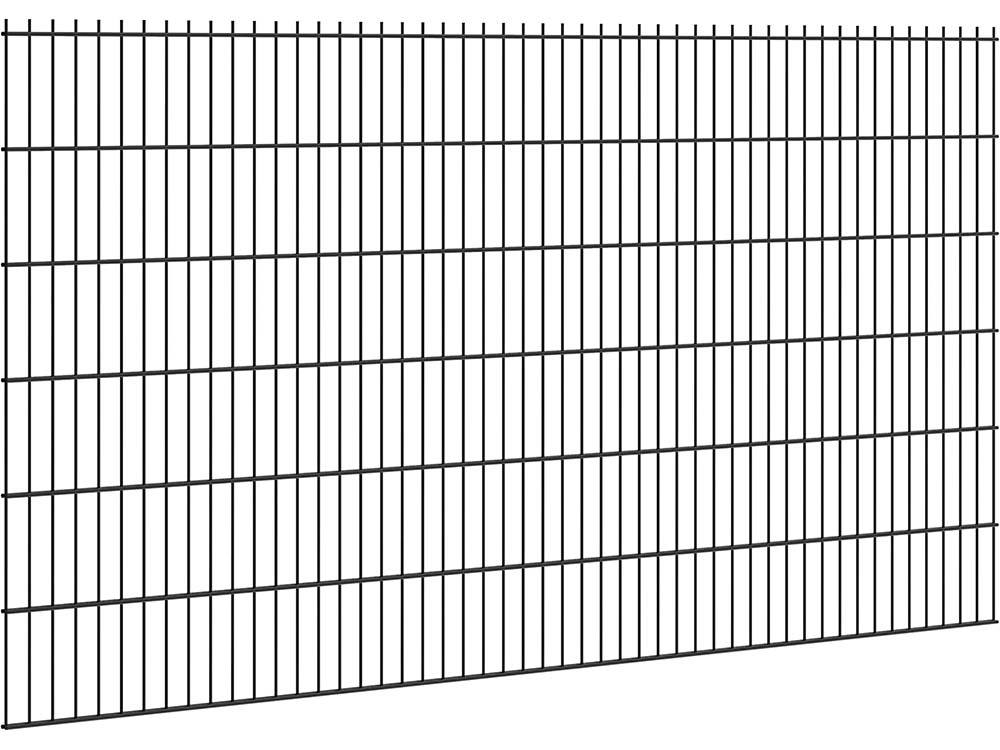
Double wire fence | 0/4/0 GA | Mesh 2" x 8" | Width 8'2"
from $96.00
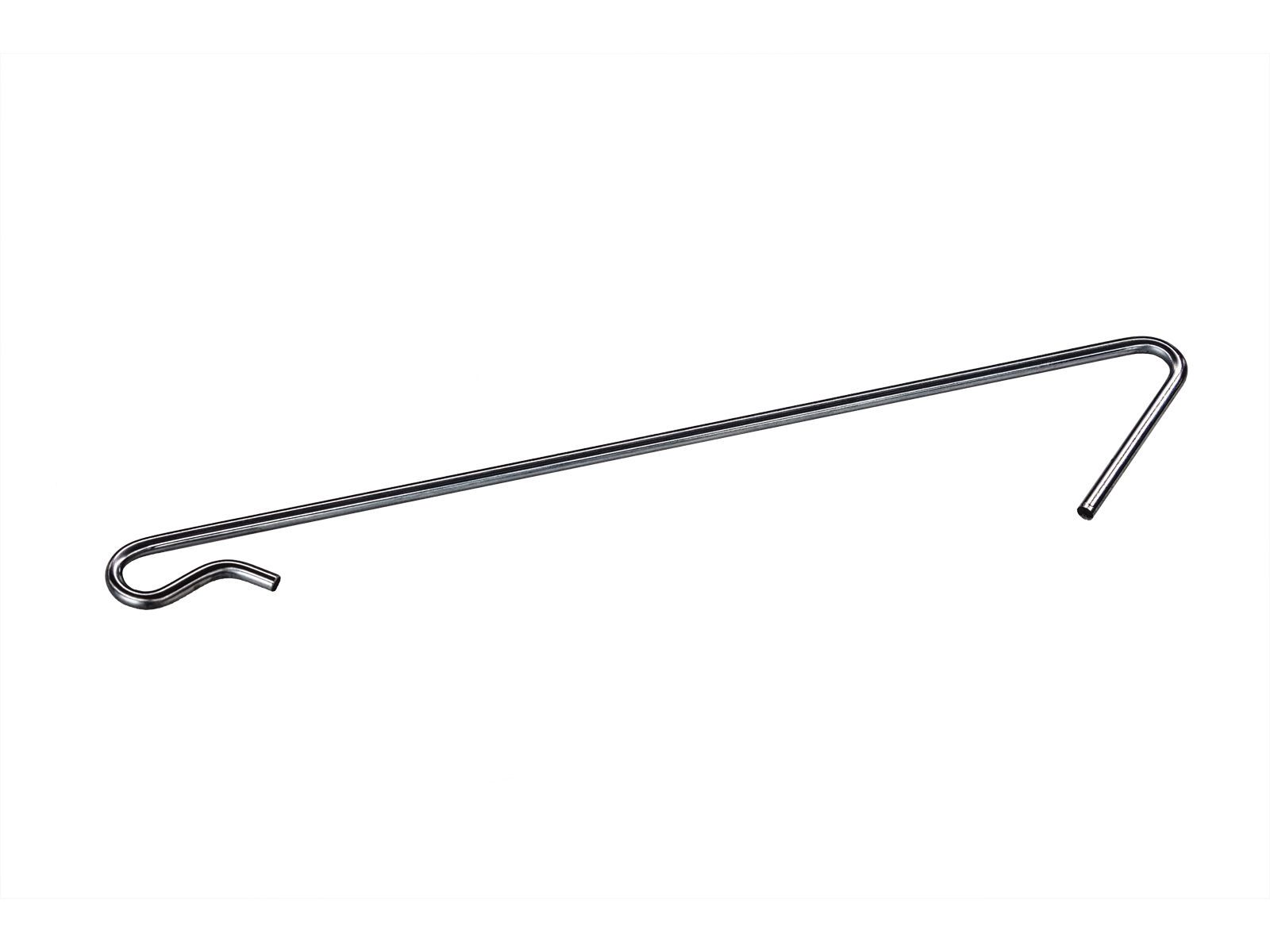
Spacer for gabion fence | Ø 0.091"
$1.00
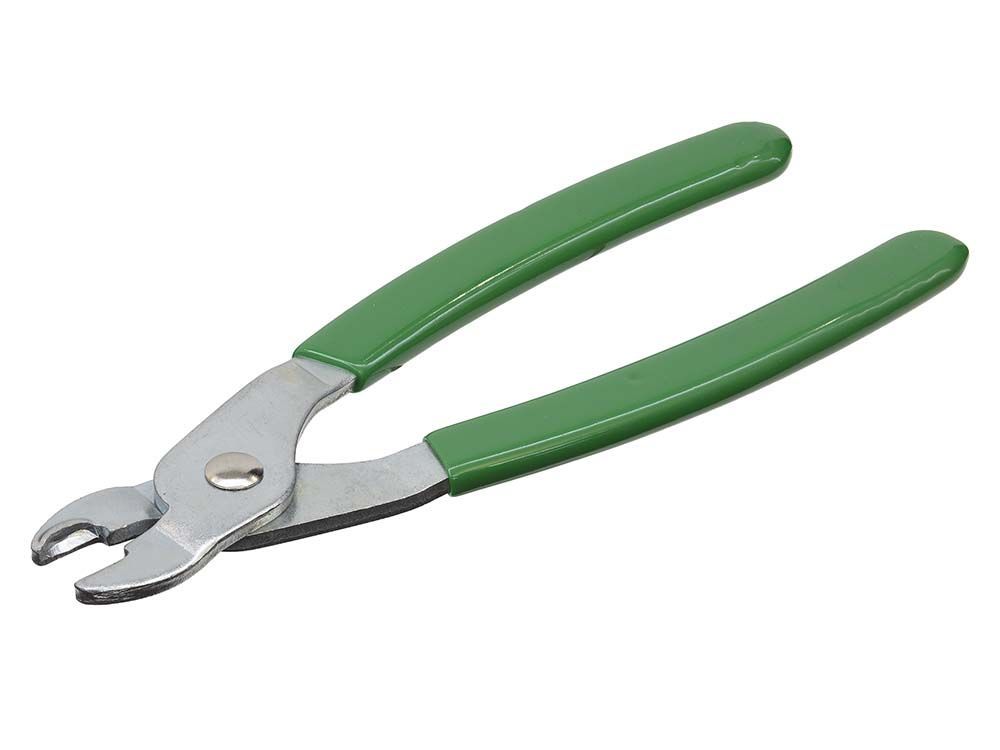
Pliers for C- Clips | Gabion fence
$9.95
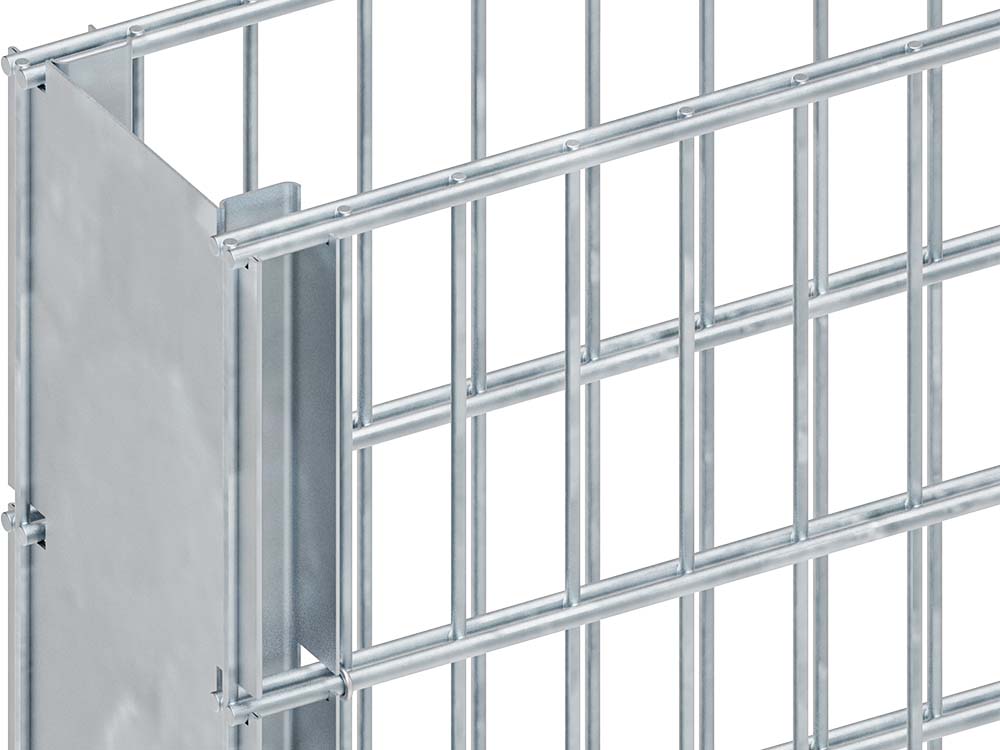
Gabion fence post
Contact us for pricing
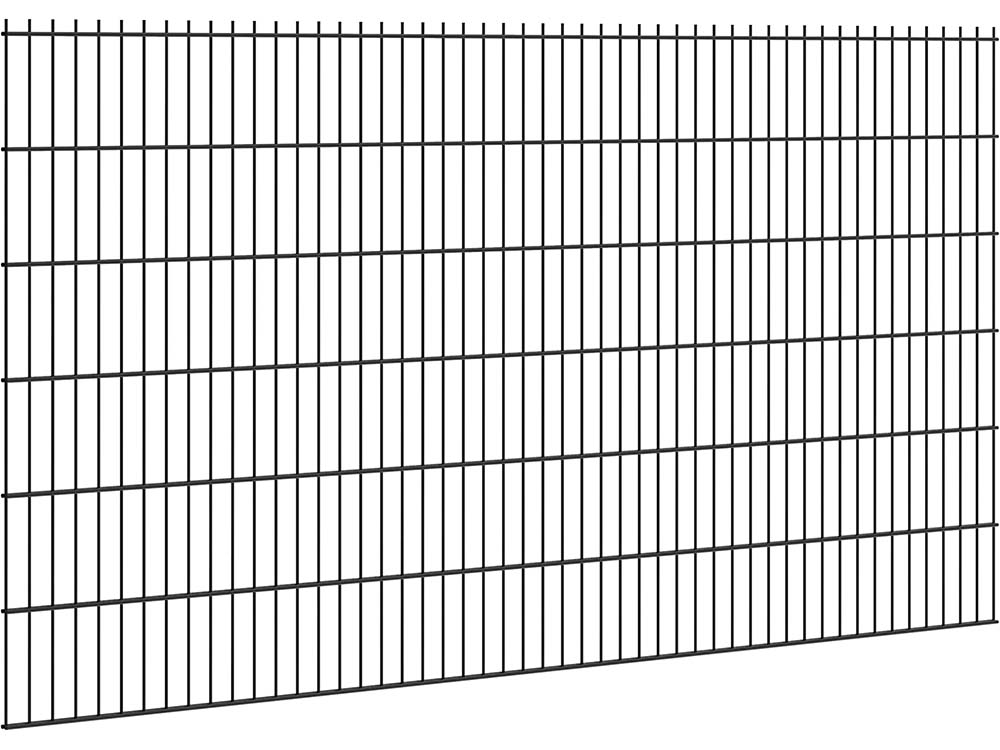
Gabion Fence
Showing 1-4 of 4 products
Highlights
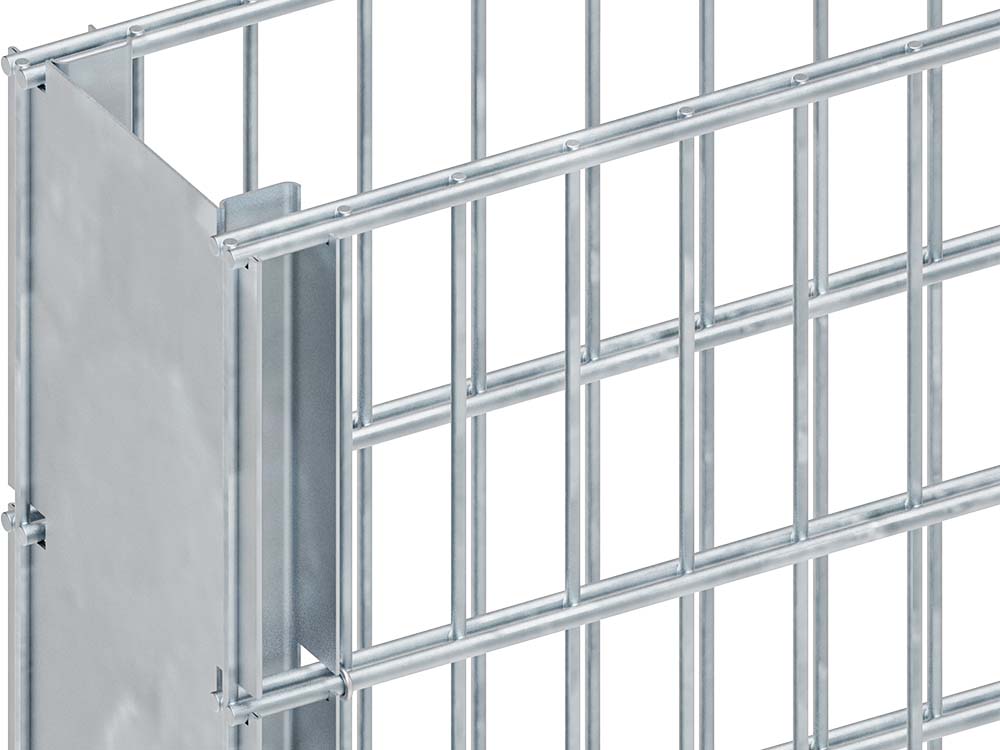
Stone-filled wall
Two rows of double wire panels filled with stone of your choice.
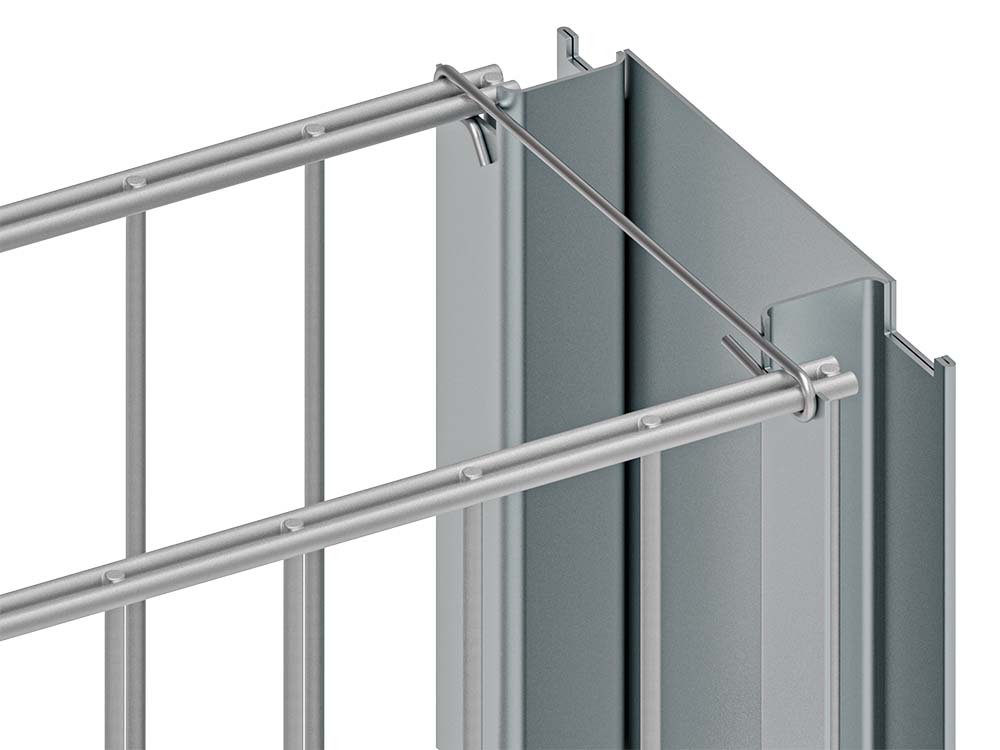
Gabion posts
Posts made to carry both faces and the weight of the stone.
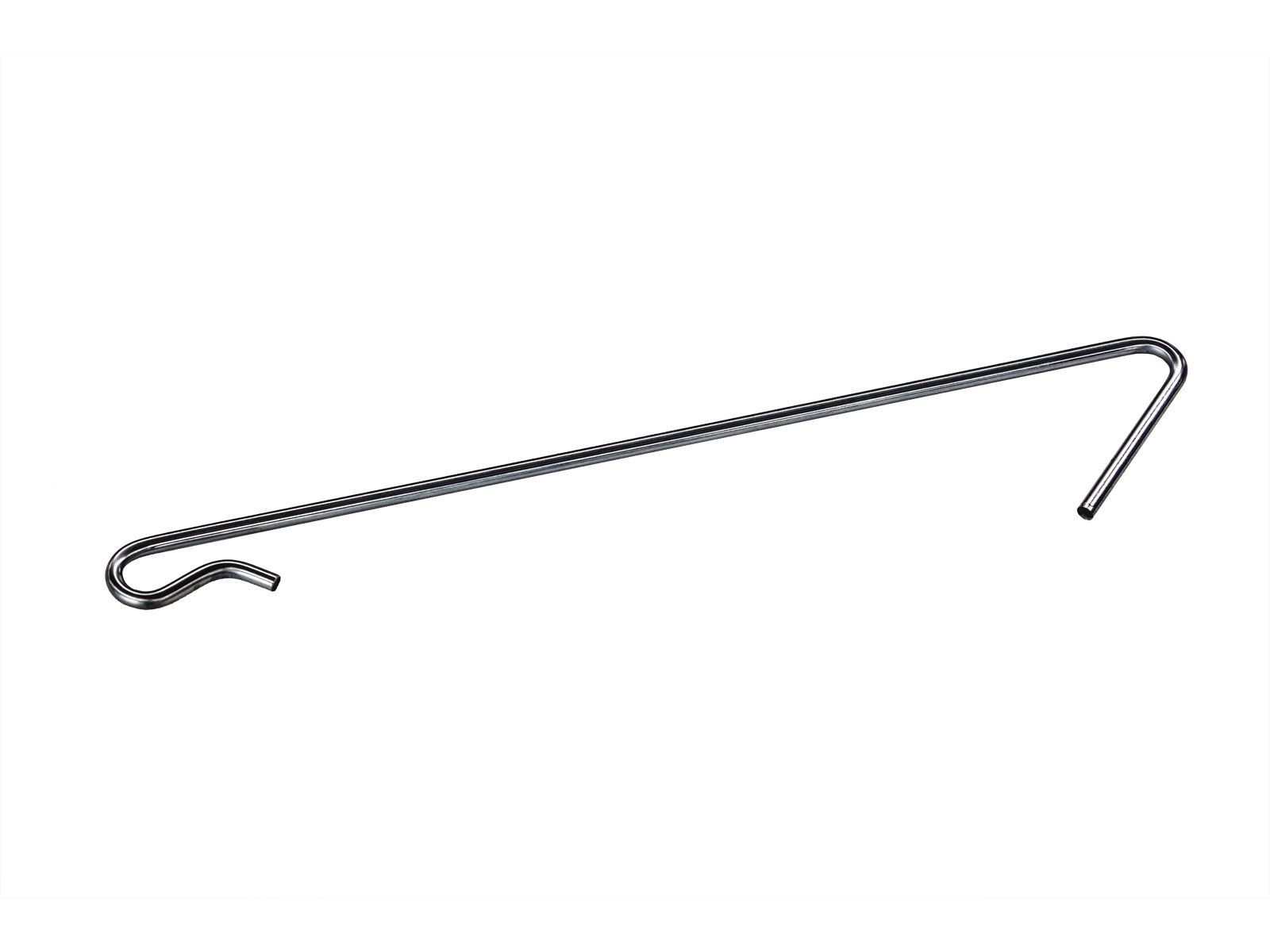
Spacers keep it straight
They hold both faces apart, so the wall stays parallel when filled.
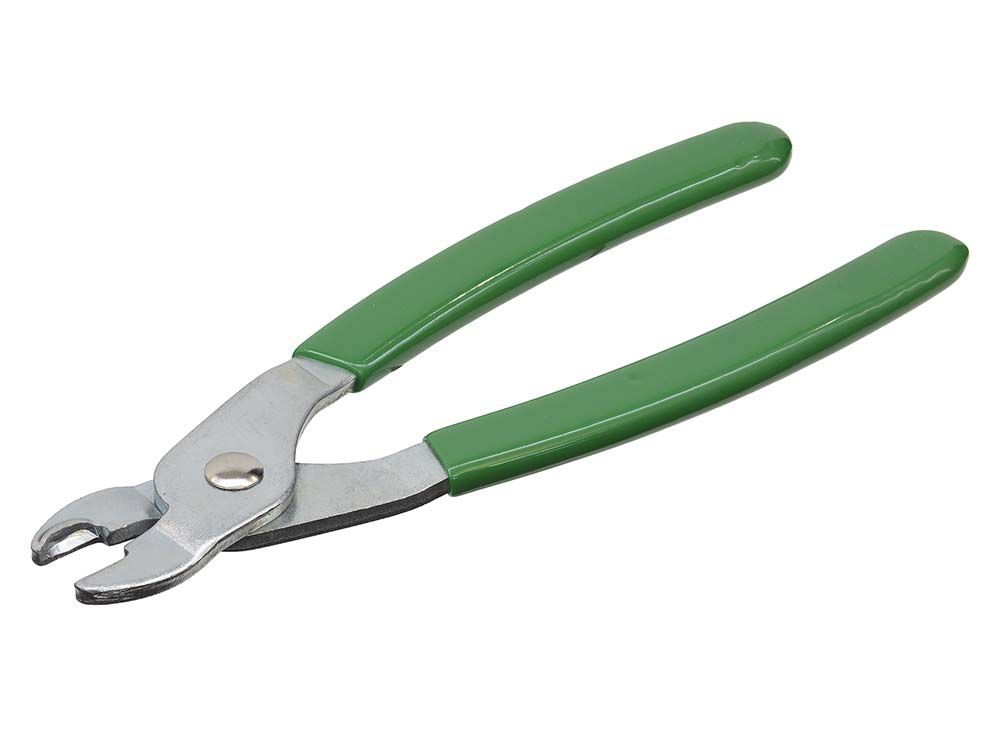
One tool needed
C-clip pliers close every clip; no other special tools.
What is a gabion fence?
A gabion is a wire basket filled with stone. A gabion fence turns that idea into a garden or boundary wall: two rows of rigid wire panels stand side by side on gabion posts, and the space between them is filled with stone. You get the look of a dry stone wall with the speed of a panel fence.
Fenceweb's gabion system uses its own 0/4/0 GA double wire panels with gabion posts, so a long wall goes up quickly from a small number of parts. None of the parts is large or heavy on its own, which makes the system practical to build yourself. The heavy work is the stone.
Parts of a gabion fence
- Double wire panels 0/4/0 GA: 8'2" wide with a 2" x 8" mesh, in 4', 6' and 8' heights, hot-dip galvanized or black. They form both faces of the wall.
- Gabion fence posts: they carry the two rows of panels and take the load of the stone.
- Spacers: they hold the front and back panel at the right distance, so the faces stay straight when the stone goes in.
- Pliers for C-clips: the tool that closes the clips that join the parts.
Sizes and finishes of the panels
- Wires: two horizontal 0 GA wires and one vertical 4 GA wire, welded at every crossing.
- Mesh: 2" x 8". Width: 8'2".
- Heights: 4', 6' and 8'.
- Finishes: hot-dip galvanized, or galvanized and powder coated black RAL 9005.
Order the same height and finish for the front and the back row, so both faces of the wall line up and the top edge runs level along the wall.
Which height for a gabion wall?
- 4': a low wall that marks a boundary, edges a terrace or a driveway and keeps the view open above it.
- 6': a wall that screens a backyard or a terrace from the street and the neighbors.
- 8': the tallest wall, for a full screen along a road or a parking area.
A taller wall holds more stone, so it is heavier and puts more load on the posts and footings. Plan the footings for the height you choose, and check the local frost depth.
Why choose a gabion fence?
- No painting, staining or pruning: the panels are galvanized and the stone needs nothing.
- Built without special tools, apart from the pliers that close the C-clips.
- A filled wall has nothing in it that rots, and stone does not wear out.
- A closed wall gives privacy where an open fence does not.
- The stone sets the look: choose a color that matches the house, the paving or the garden.
How to build a gabion fence
- Mark out the line and the post positions with a string line, and call 811 before you dig.
- Dig the post holes. Check the local frost depth for how deep the footings must go.
- Set the gabion posts in concrete, plumb and in line. Because of the weight of the stone, the posts must stand firmly in the ground.
- Let the concrete cure before you load the posts.
- Mount the front and back rows of double wire panels on the posts.
- Fit the spacers between the two faces and close the C-clips with the pliers.
- Fill the wall with stone, working along the run in layers so the load stays even on both faces. Filling takes time; plan for it.
What to fill it with
Stone is the usual fill, and the color of the stone sets the look of the wall. Other fill materials can be used too, as long as they cannot fall through the 2" x 8" mesh. Place the stones with their flattest faces against the mesh first, then fill the core. Ask your local stone supplier how much stone the volume of your wall takes.
Where a gabion wall works well
- Gardens and backyards that need a solid screen.
- Boundaries along a driveway or a street.
- Terraces, raised beds and landscaped areas.
- Architectural features: a partition, an accent wall or a wall beside an entrance.
- Along roads and parking areas, where a solid wall dampens sound better than an open fence.
This system is built as a freestanding fence. A retaining wall or erosion control along a slope or a bank is an engineering job: have that design checked before you build.
Maintenance
A gabion fence needs no painting or staining. The panels are galvanized, and the powder coated versions have a color layer on top of the zinc. Small scratches in the coating can be touched up with repair spray in the matching color.
How many parts do I need?
- Divide the length of the wall by the panel width of 8'2" and round up: that is the number of sections.
- Order two panels per section, one for each face.
- Order gabion posts: one per section, plus one to close each straight run.
- Order spacers for every section, so both faces stay parallel along the whole wall.
What to order together
- Double wire panels: two per section, one for each face.
- Gabion fence posts for every section joint and both ends.
- Spacers to hold the faces apart.
- Pliers for the C-clips.
- Concrete for the posts, and stone from a local supplier.
Delivery
Fenceweb delivers the panels, posts and parts to every US state and to Canada. A size shown without a price is sold on request: ask for a quote.
Frequently asked questions
What is a gabion fence made of?
Two rows of welded double wire panels on gabion posts, held apart by spacers and filled with stone. The panels are 0/4/0 GA with a 2" x 8" mesh.
What kind of stone goes in a gabion fence?
Most people use stone in a color that suits the garden or building. Any fill works as long as it is larger than the 2" x 8" mesh openings.
Do the gabion posts need concrete?
Yes. The stone makes the wall heavy, so the gabion posts must be set firmly in concrete before the panels and stone go in.
What do the spacers do in a gabion fence?
They hold the front and back panel at a fixed distance, so both faces stay straight and parallel while the wall is filled with stone.
Which panel height should I choose for a gabion wall?
The panels come 4', 6' and 8' high. Choose 4' for a low boundary wall, 6' to screen a garden and 8' for a full screen, and use the same height and finish for both faces.
Does a gabion wall block noise?
A filled gabion wall is solid and heavy, so it dampens sound and blocks the view better than an open wire fence. For a rated sound barrier, see the soundproof fence modules.
Can I build a gabion fence myself?
Yes. The parts are not large or heavy, and the only special tool is the pliers for the C-clips. Filling the wall with stone is the part that takes the most time.
Still have questions? Call us at 214 878 1900