
Welded Wire Fence
Welded wire fence panels are rigid steel mesh sheets with the wires welded at every crossing, so they stay flat between posts and do not unravel like chain link. Choose a double wire panel for strength, a V-fence 3D panel for a lighter fence, 358 security mesh where climbing must be stopped, or a rebound panel for sports areas. Read more
16 products
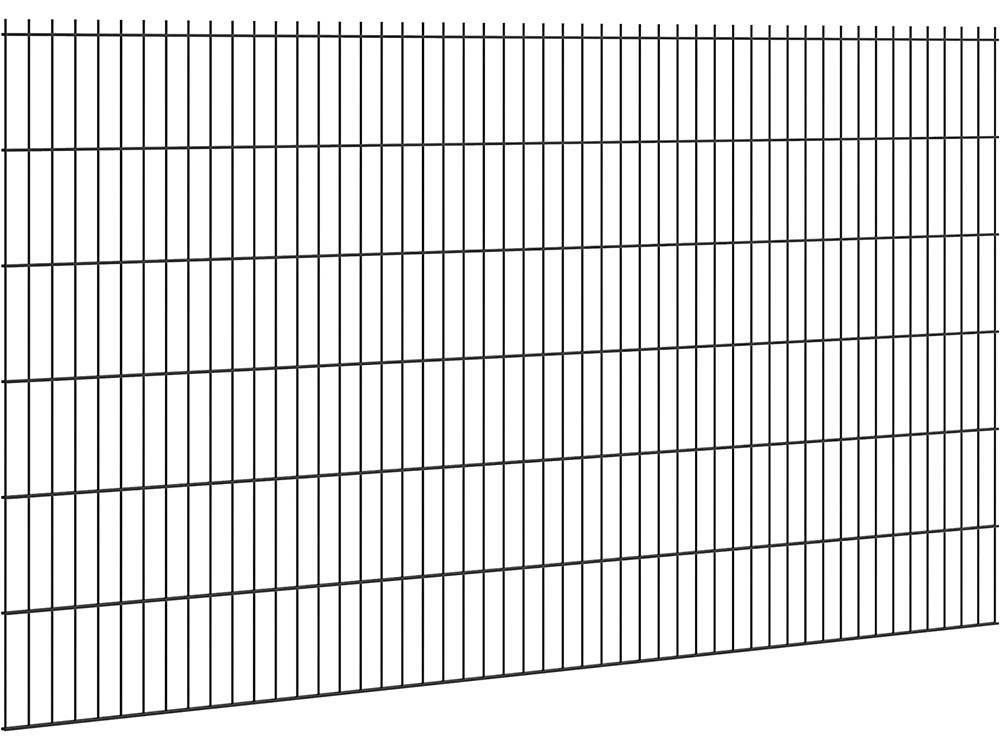
Double wire fence | 4/6/4 GA | Mesh 2" x 8" | Width 8'2"
from $87.00
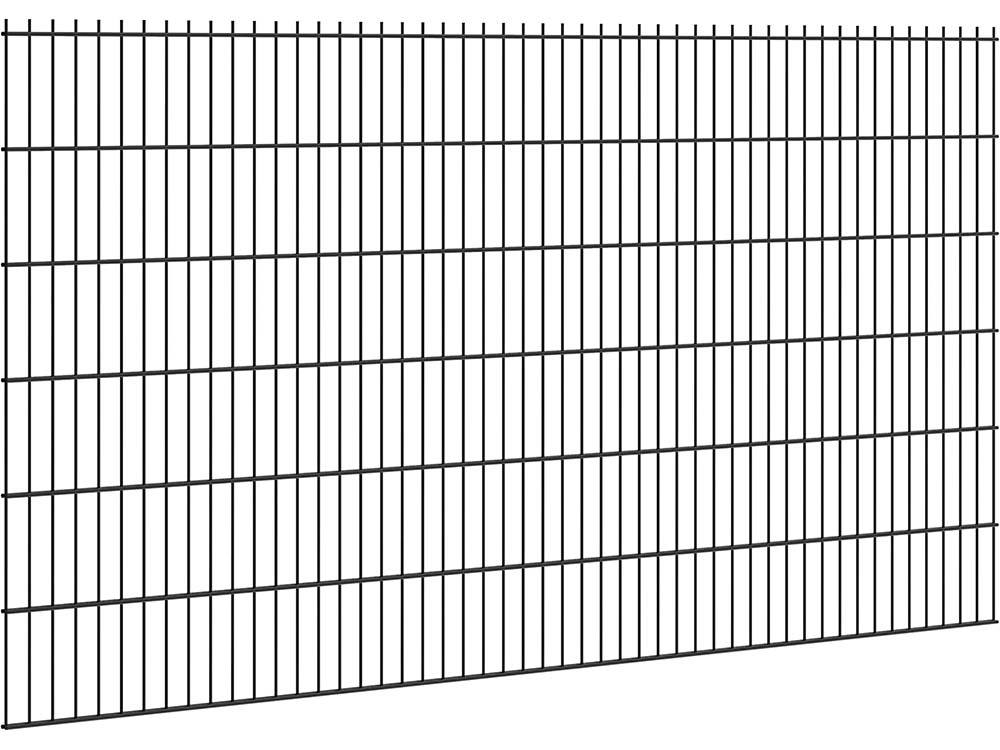
Double wire fence | 0/4/0 GA | Mesh 2" x 8" | Width 8'2"
from $96.00
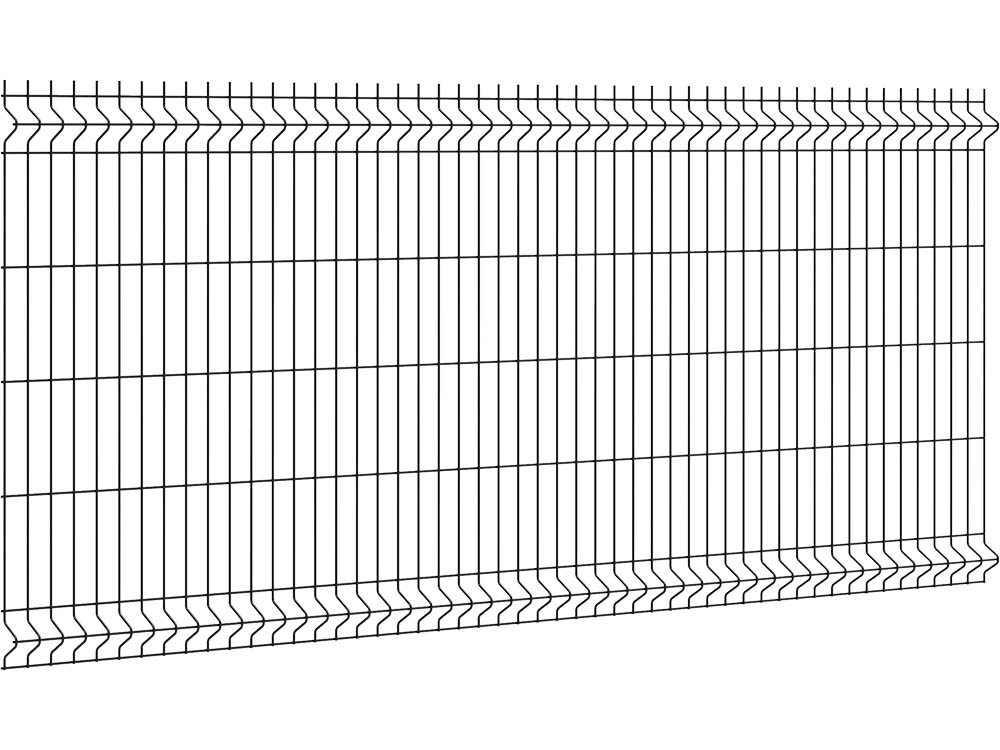
V-Fence | 6/6 GA | Mesh 2" x 8" | Width 8'2"
from $65.00
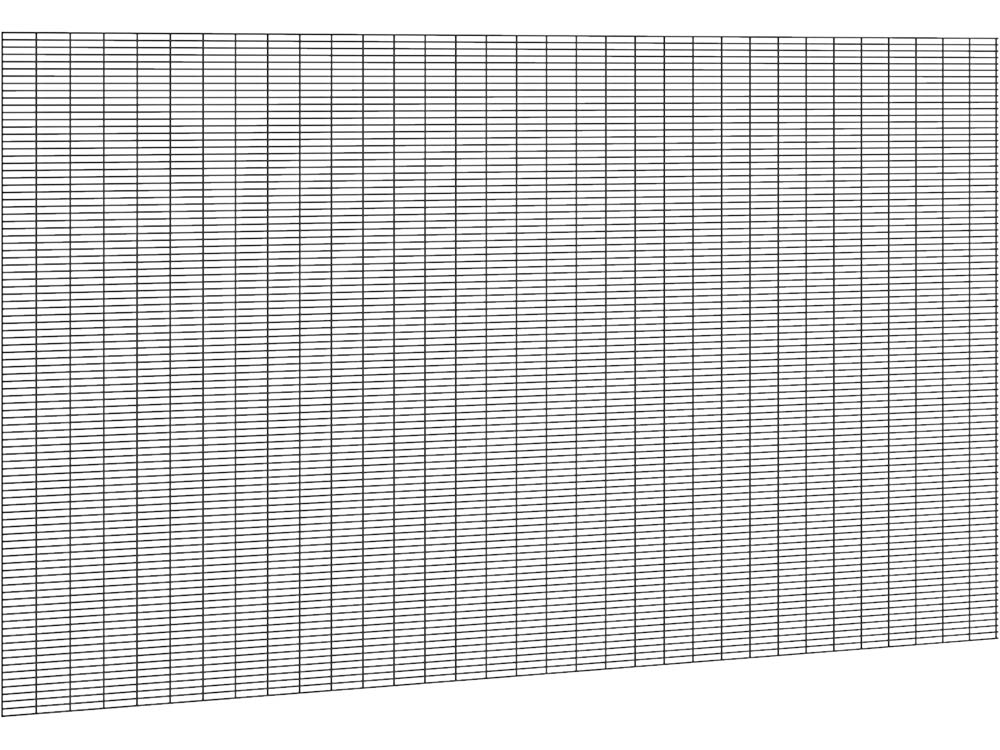
Security fence 358 | 8/8 GA | Mesh 3" x 1/2" | Width 8'3"
from $177.00
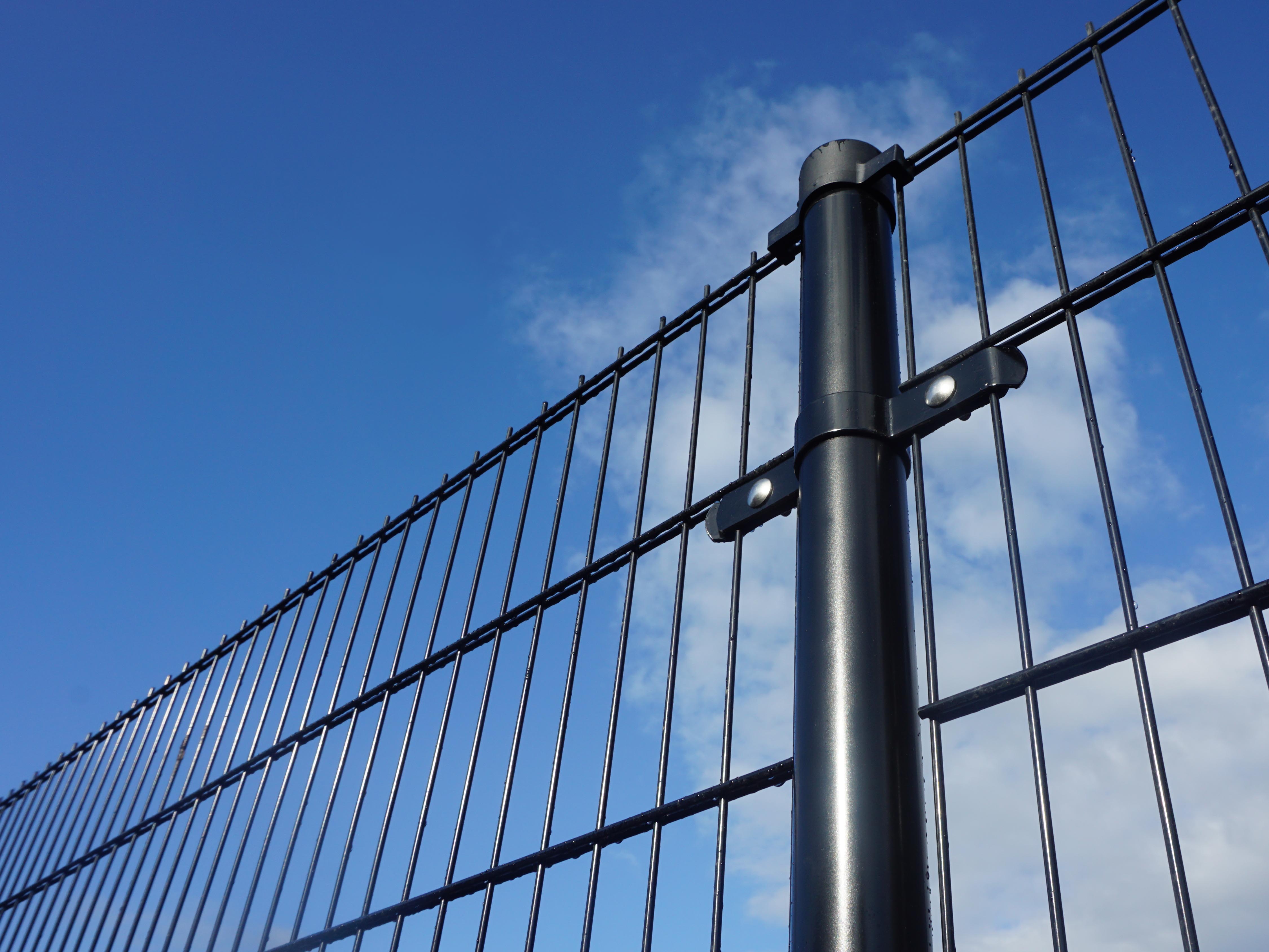
Welded Wire Fence
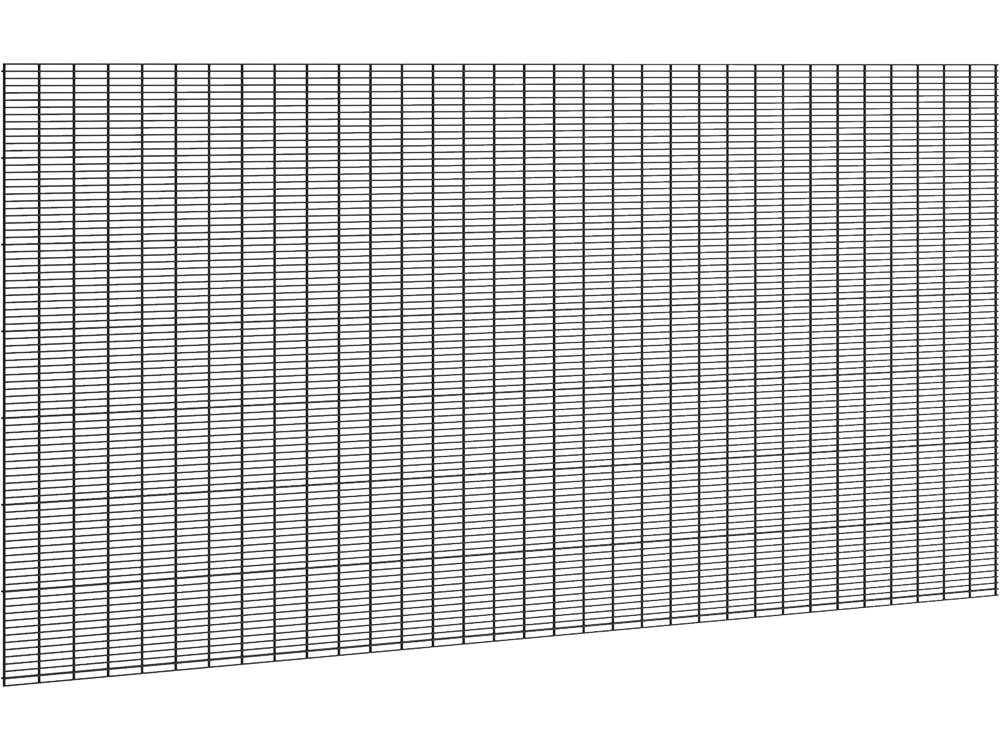
Security fence 358 | 8/4/8 GA | Mesh 3" x 1/2" | Width 8'3"
from $246.00
Security fence 358 | 8/8/8 GA | Mesh 3" x 1/2" | Width 8'3"
from $257.00
Security fence Heavy | 8/4 GA | Mesh 3" x 1/2" | Width 8'4"
Contact us for pricing
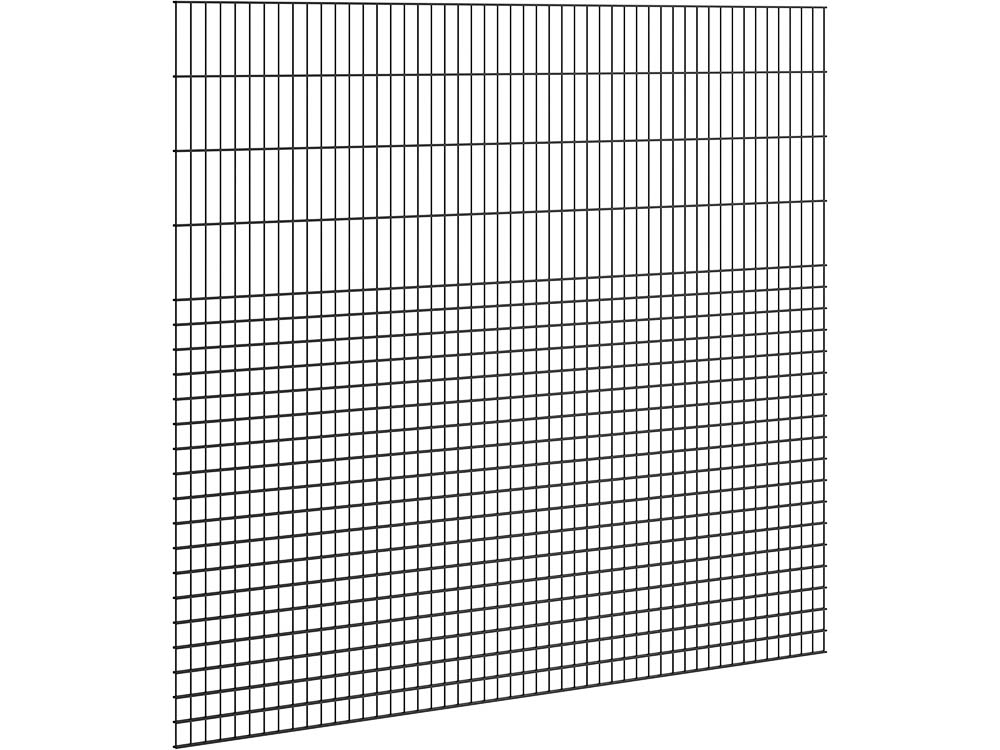
Rebound fence | Half | 0/4/0 GA | Mesh 2" x 2-5/8" up to 4', 2" x 8" above | Width 8'3"
$290.00
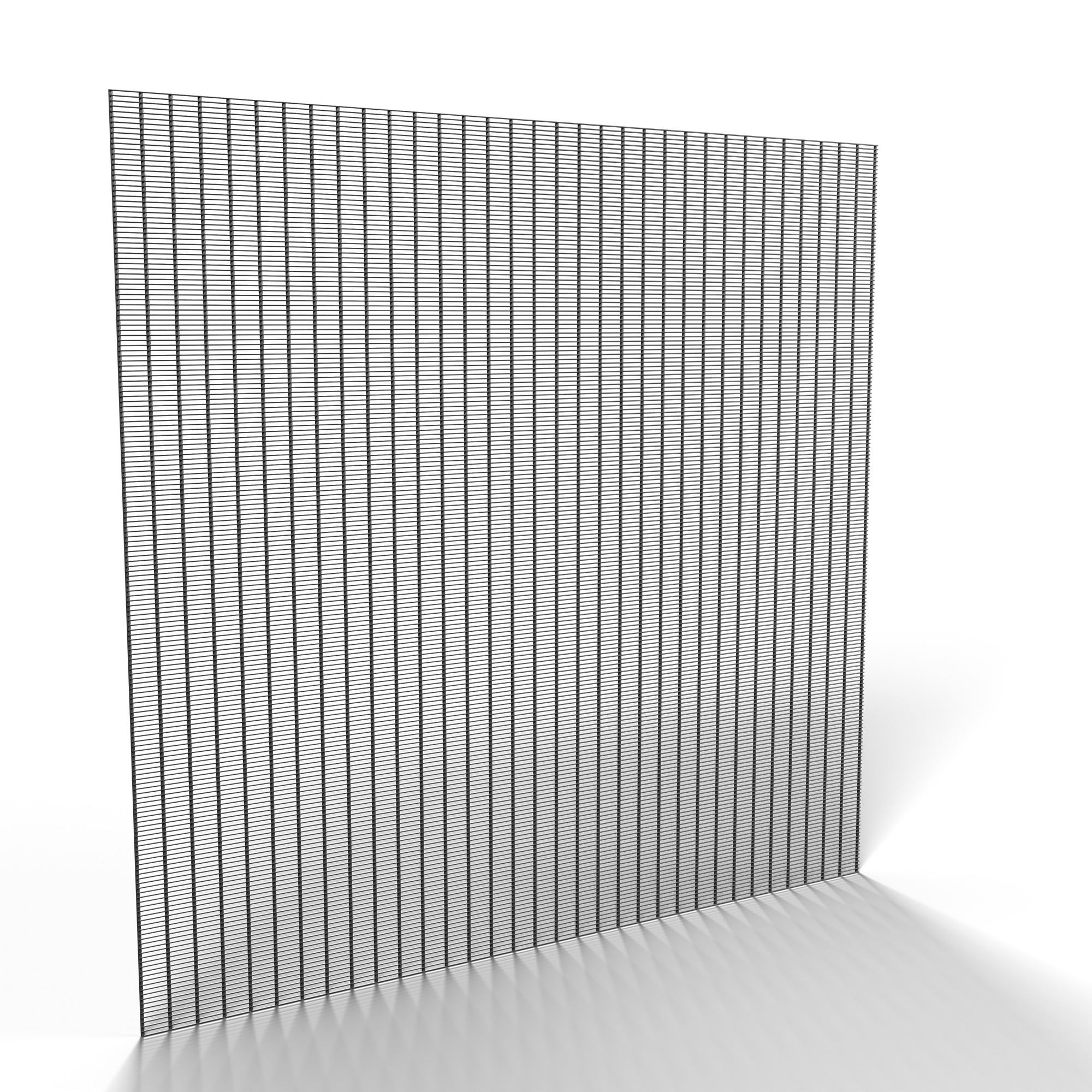
Security fence 358 S10 | 8/000 GA | Mesh 3" x 1/2"
from $822.00
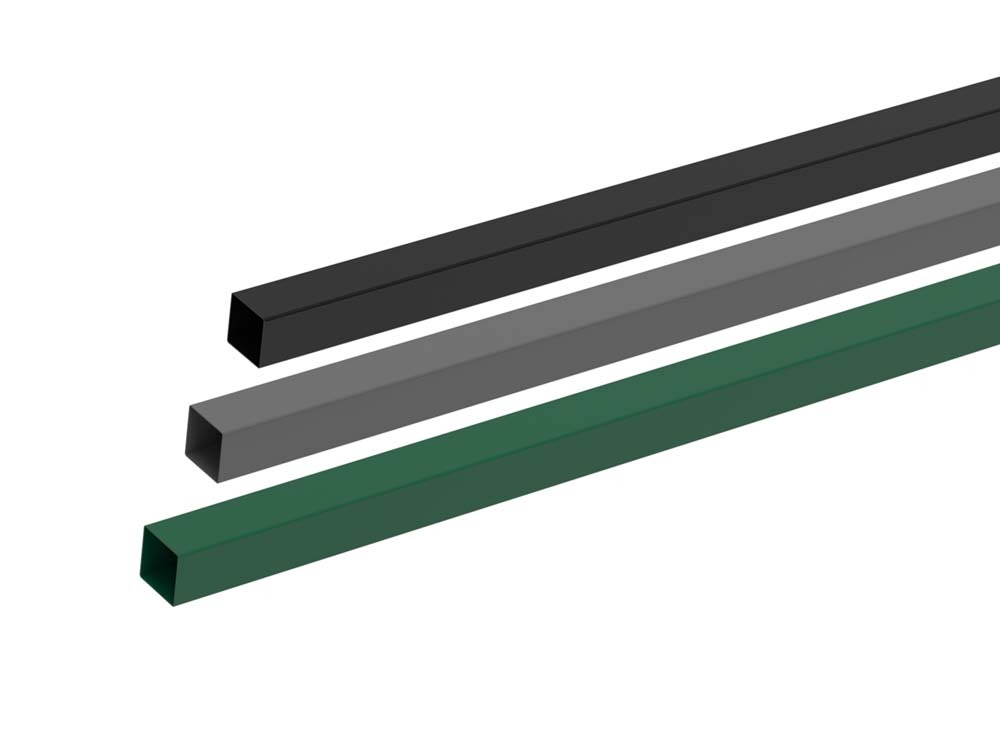
Fence post | 3" x 3" | 9 GA
from $70.00
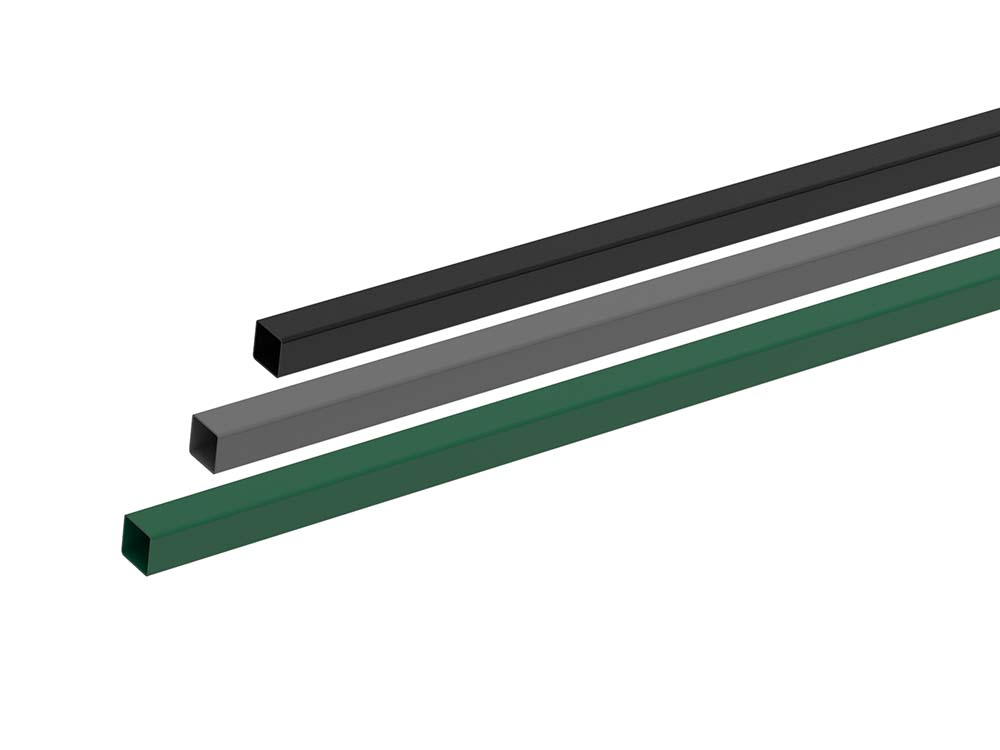
Fence post | 2-3/8" x 2-3/8" | 12 GA
from $28.00
Fence post | 3" x 3" | 12 GA
from $71.00
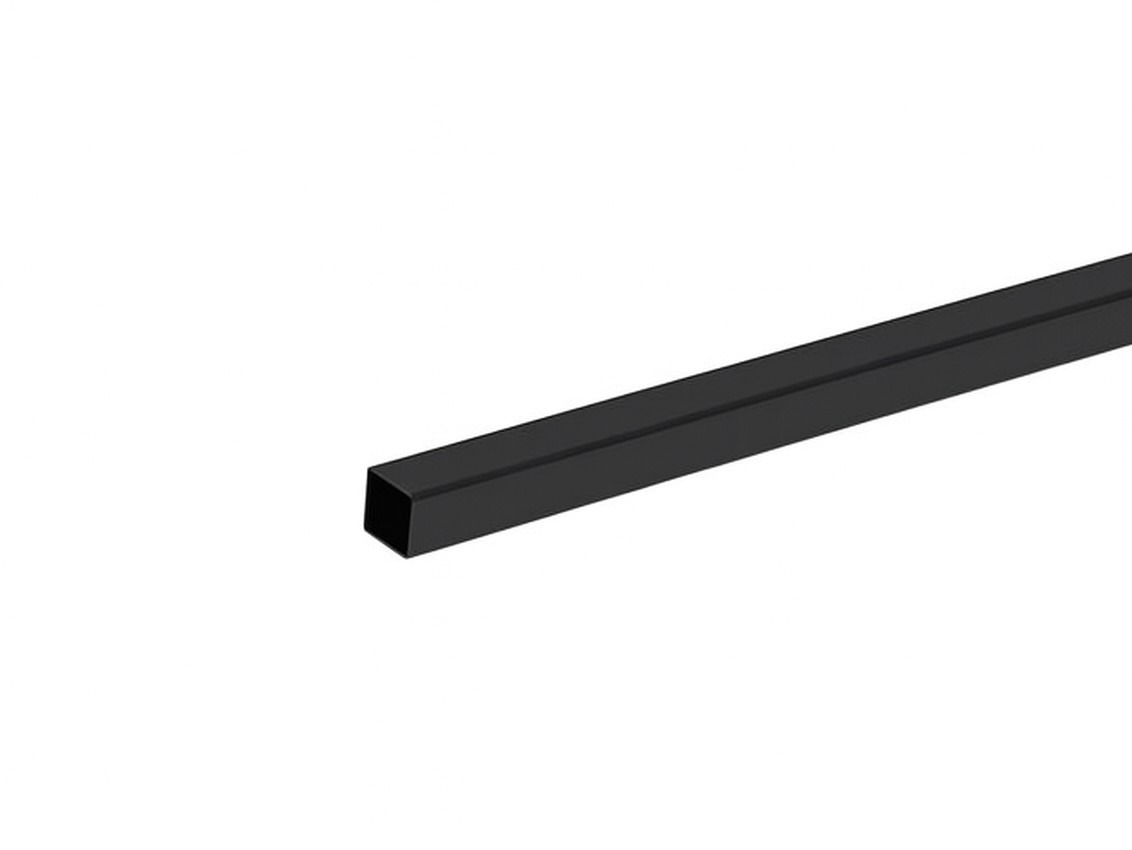
Fence post | 2" x 2" | 16 GA
from $24.00
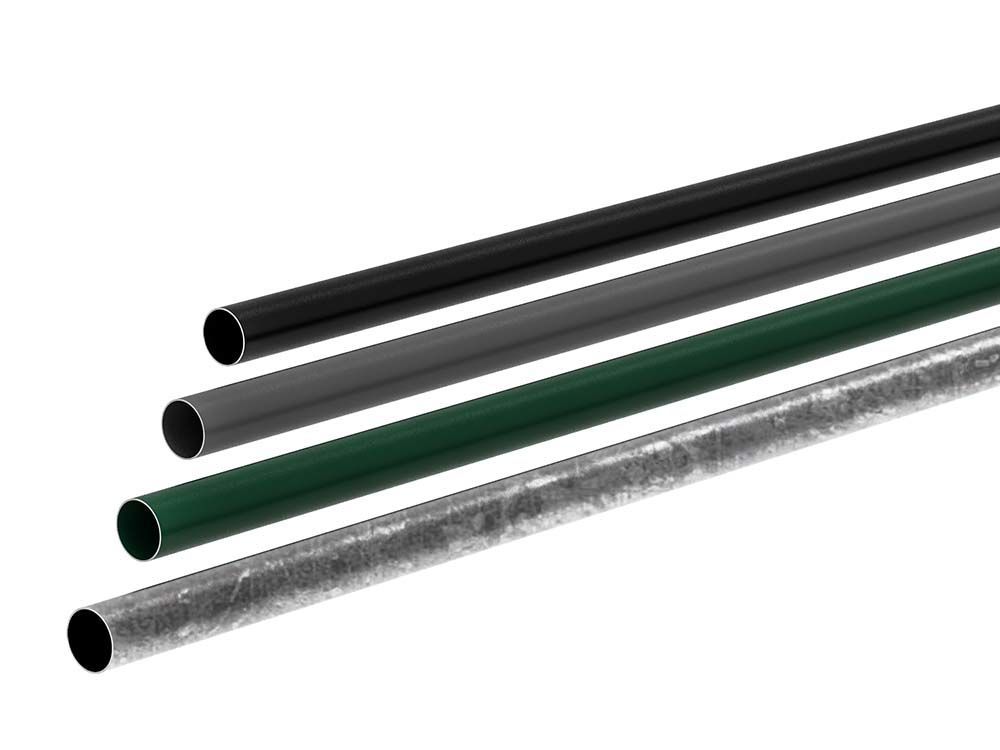
Fence post | Ø 2-3/8" | 13 GA
from $27.00
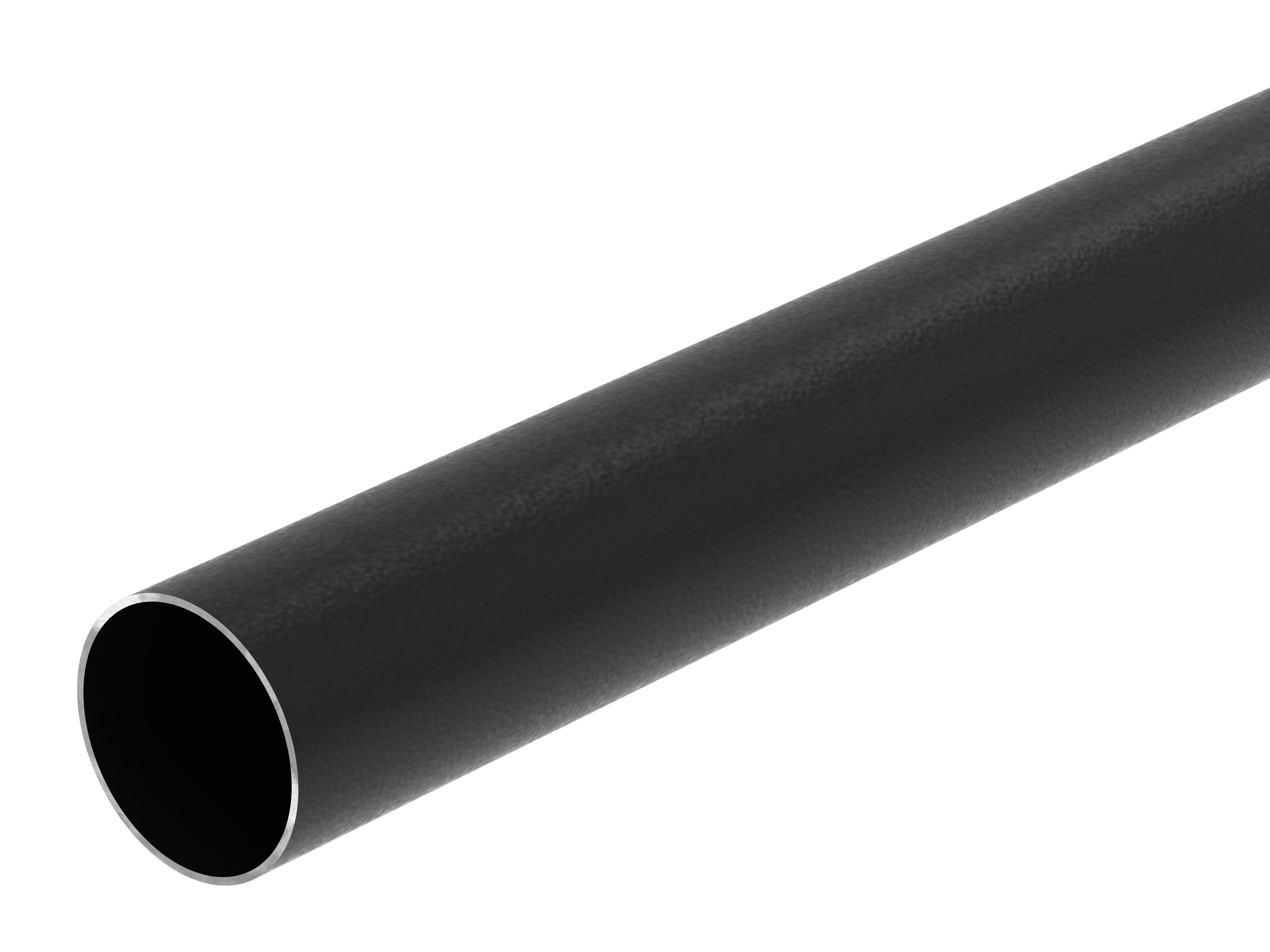
Fence post | Ø 3-1/2" | 8 GA
from $160.00
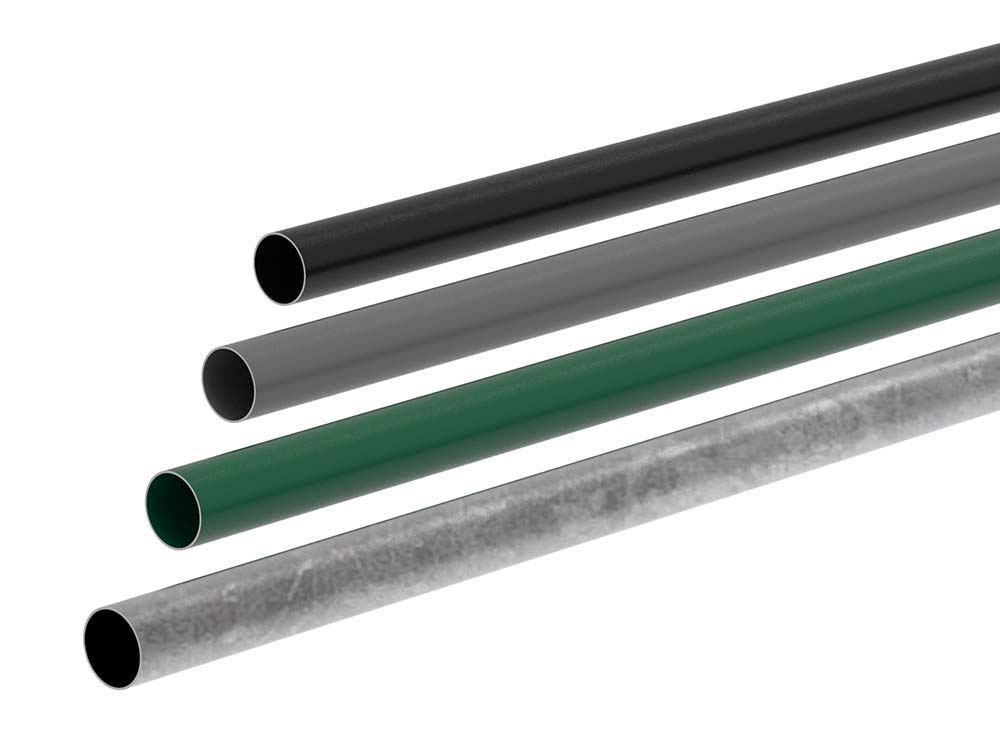
Fence post | Ø 3-1/2" | 10 GA
from $168.00
Showing 1-16 of 16 products
Highlights
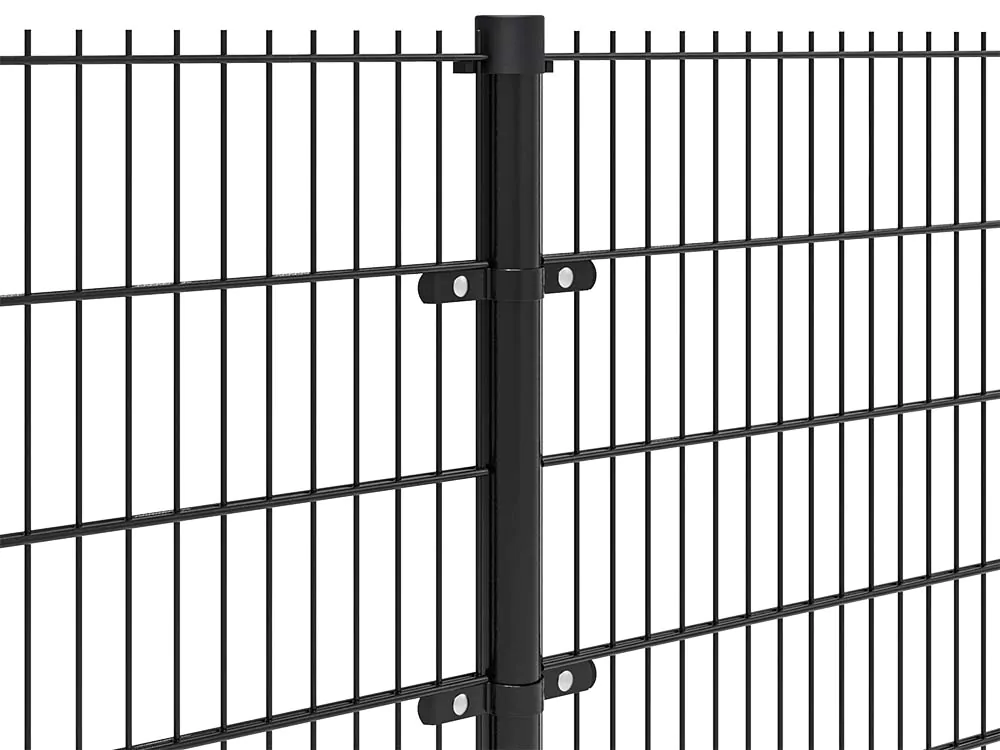
Welded at every crossing
The panel stays flat between posts and does not unravel when cut.
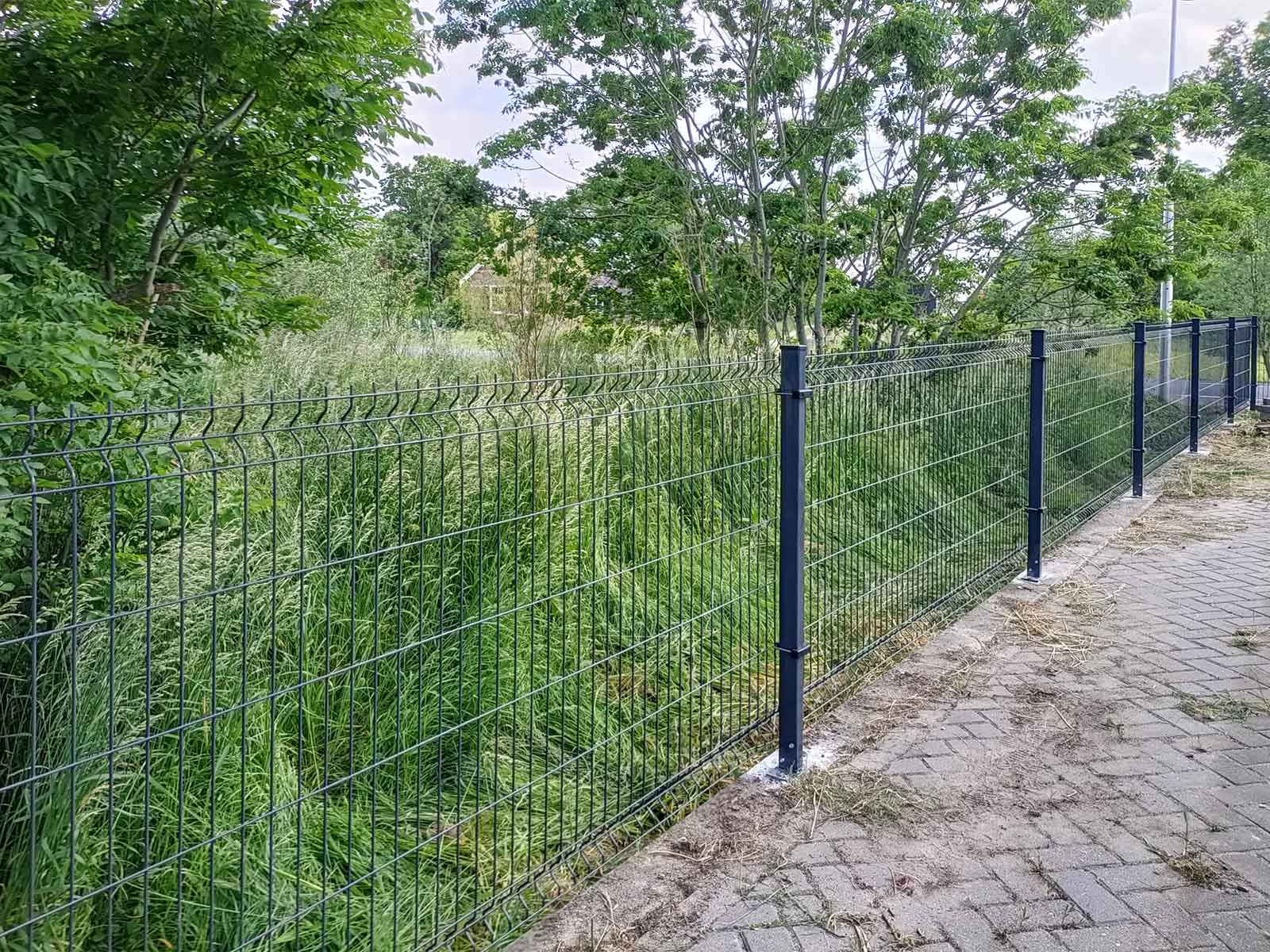
Four panel types
Double wire, V-fence, 358 security mesh and rebound panels.
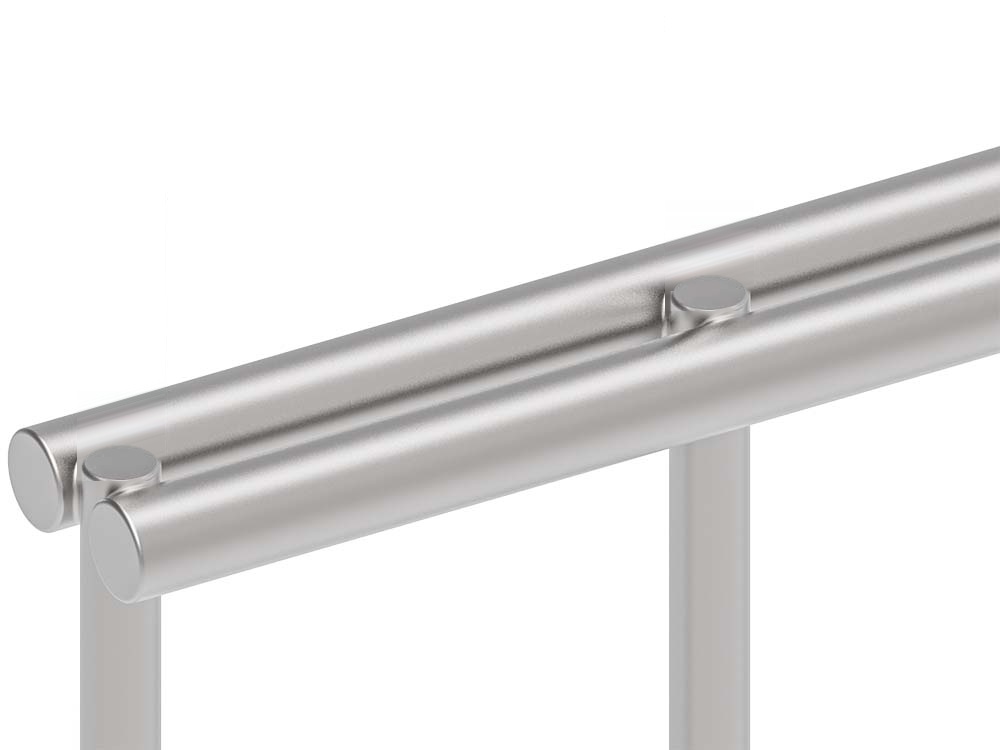
Galvanized or black
Hot-dip galvanized, or powder coated black RAL 9005 over the zinc.
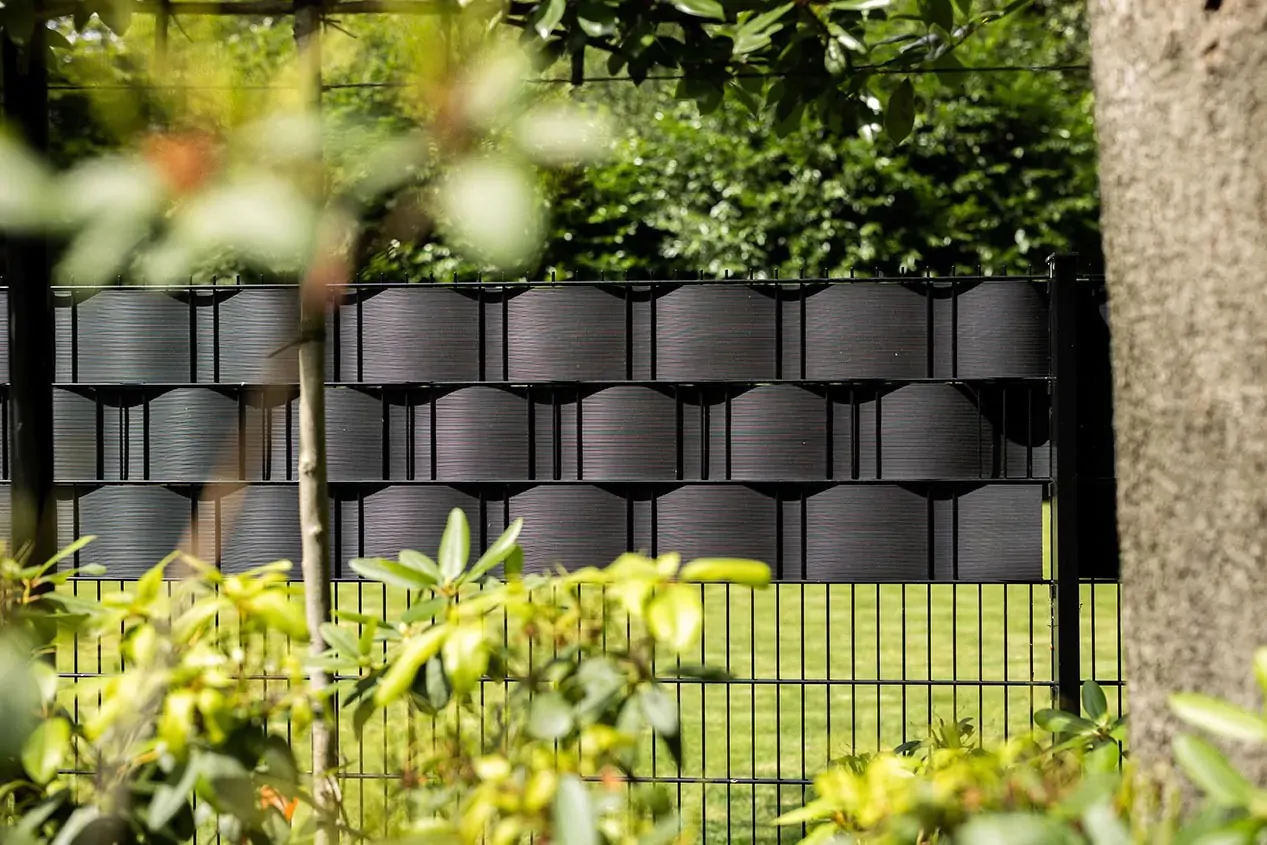
Privacy or planting
Weave in privacy strips, or let ivy and clematis climb the mesh.
What is a welded wire fence panel?
A welded wire panel is a flat section of steel mesh in which every crossing of a horizontal and a vertical wire is welded. The welds make the panel stiff: it stays flat between posts, takes a knock without bending out of shape, and does not run like woven mesh when one wire is cut. Panels hang between posts on brackets, so a fence goes up one section at a time and a damaged section can be replaced on its own.
Two numbers describe every panel. The mesh is the opening between the wires, such as 2" x 8" on a double wire panel or 3" x 1/2" on 358 mesh. The wire set gives the gauge of each wire, horizontal wires first. A lower gauge number means a thicker wire, so a 0/4/0 GA panel is heavier than a 4/6/4 GA panel.
Which welded wire panel do I need?
- Double wire panel: the all-round choice for homes, schools, parks and business sites, in two wire strengths.
- V-fence 3D panel: a lighter single wire panel stiffened by V-shaped bends, for gardens and long, simple runs.
- 358 security panel: a dense mesh that leaves no finger or toe hold, for sites where climbing and cutting must be stopped.
- Rebound panel: a heavy double wire panel with a denser lower section, for sports fields and ball courts.
Sizes and specifications
Double wire fence
Two horizontal wires at every crossing with one vertical wire between them, a 2" x 8" mesh and a panel width of 8'2". Two wire sets are available:
- 4/6/4 GA: two 4 GA horizontal wires and one 6 GA vertical wire, for gardens, backyards and lighter commercial work.
- 0/4/0 GA: two 0 GA horizontal wires and one 4 GA vertical wire, a rigid panel for business sites, schools and secure boundaries.
In the US store both wire sets come in three standard heights. The posts and gates of the system follow the same heights, so a run can be ordered as one set:
- 4' high, on a 6' square post
- 6' high, on an 8' square post
- 8' high, on a 10' square or round post
Finishes are hot-dip galvanized (HDG), or galvanized and powder coated black RAL 9005.
V-fence 3D panel
A single wire panel in 6/6 GA with the same 2" x 8" mesh and 8'2" width as the double wire panel, in 4', 6' and 8' heights, powder coated black RAL 9005. V-shaped bends pressed along the panel give it its stiffness, so it needs less steel than a double wire panel and makes a lighter, more economical fence.
358 security panels
The 358 mesh has openings of 3" x 1/2": too small for fingers or toes to get a grip, and hard to cut. The Light panel is 8'3" wide. Light, Light Duo, Heavy and Heavy Duo come 4', 6' and 8' high, and Light, Light Duo and Heavy Duo also 10'. The range:
- Light: 8/8 GA
- Light Duo: 8/8/8 GA
- Heavy: 8/4 GA
- Heavy Duo: 8/4/8 GA
- 358 S10: an 8/000 GA panel with the same 3" x 1/2" mesh, 8' or 10' high
Because the mesh is dense but still see-through, guards and cameras keep a clear view of the area behind the fence.
Rebound panel
A 0/4/0 GA double wire panel for sports fields, 8' high, 8'2" wide and black. Its mesh closes to 2" x 2-5/8" up to 2 ft from the bottom, where balls and players hit the fence most.
Welded wire or chain link?
Chain link is woven from a roll and needs tension wire and rails to stay tight. A welded panel is rigid by itself: it needs no tensioning, looks the same along the whole run and holds its shape when it is hit. Chain link can sag over time and needs more attention to stay straight, while a welded panel keeps its line with little upkeep. Chain link is still a sensible choice for long, low-cost runs; welded panels are the choice where the fence should stay straight and stiff.
Double wire or 3D panel?
Both panels share the 2" x 8" mesh and the 8'2" width. The difference is where the stiffness comes from. The double wire panel gets it from the paired horizontal wires, which makes it the stronger panel for schools, business sites and places where the fence will be leaned on or hit. The 3D panel gets it from the bends in a single layer of wire, which makes it lighter and more economical for gardens and long boundaries.
Galvanized or powder coated?
Every panel starts with galvanized steel, which protects it against rust. A hot-dip galvanized panel keeps the plain silver-gray zinc finish and suits industrial sites. A powder coated panel adds a black RAL 9005 layer on top of the zinc, which suits modern buildings and sits quietly against planting. The coated double wire panels carry a 10-year warranty on the coating, and minor scratches can be touched up with matching repair spray.
Which height should I choose?
- 4': front yards, schoolyards and low boundaries.
- 6': backyard privacy, dog runs and most business boundaries.
- 8': company premises and sites that need a taller barrier.
Not sure? A 4' fence marks a boundary and keeps small children and pets in, a 6' fence is hard to step over and suits most business boundaries, and an 8' fence is the choice where people must be held out. Where the fence must stop climbing, choose 358 security mesh, which also comes 10' high.
How to install a welded wire fence
- Stretch a string along the fence line and mark the corners and the gate openings.
- Have underground utilities marked and check the local frost depth before you dig.
- Set the end and corner posts first. A post should be about 2' longer than the fence height and is set in concrete or quick-setting concrete.
- Set the line posts along the string, using a panel to fix the spacing so each panel reaches from bracket to bracket.
- Let the concrete set before you load the posts.
- Fix the panels with the bracket made for each post position: end, corner or inline.
- Hang the gates on their own posts and fit a cap on every post.
On a concrete slab or other hard surface, a post with a base plate replaces the concrete footing.
What to order with welded wire panels
- Posts: 2-3/8" round or 2-3/8" x 2-3/8" square posts for double wire and V-fence panels, and 3" x 3" square posts for 358 panels.
- Brackets: Longlip end, corner and inline brackets for round and square posts, or the U-brackets, spider brackets and coverplates made for 358 panels.
- Post caps in PVC or aluminum, and base plates for hard surfaces.
- Gates: single swing gates 3 ft, 4 ft or 5 ft wide and double gates 10', 13' or 16' wide, in the same 4', 6' and 8' heights as the panels.
- Privacy strips that weave through the double wire mesh, in rolls of 164' with clips in packs of 10.
Privacy and planting
The open mesh of a double wire or 3D panel keeps the view clear, which suits a front garden or a site that guards must see into. Climbing plants such as ivy and clematis grow well along it. Where you want screening, privacy strips weave through the double wire mesh and also reduce wind.
Where welded wire panels are used
Contractors use the same panel family across very different sites and choose the wire set, height and finish per job:
- Homeowners: 4/6/4 GA double wire, galvanized or powder coated black, or a black V-fence 3D panel, 4' or 6' high.
- Schools, parks and day care centers: double wire 4' or 6' high, with a clear view across the grounds.
- Sports clubs: rebound panels along the field, with double wire panels around the rest of the grounds.
- Business sites: 0/4/0 GA double wire, in the 6' or 8' height.
- Data centers, correctional facilities and utilities: 358 Heavy or Heavy Duo panels on square posts.
Ordering and delivery
Each panel is sold on its own; posts, brackets and caps are ordered separately. Divide the length of the run by the panel width and round up to find the number of panels, then order one post more than the number of panels on each straight run. Fenceweb delivers to every US state and to Canada.
Frequently asked questions
What is the difference between welded wire and chain link fence?
Welded wire panels are rigid sections with every crossing welded, so they stay flat without tensioning. Chain link is woven mesh from a roll that needs tension wire and rails to stay tight.
Which welded wire panel is the strongest?
For an open fence, the 0/4/0 GA double wire panel with its two 0 GA horizontal wires. For security, the Heavy Duo 358 panel in 8/4/8 GA.
What does 358 mean in security fence?
It comes from the mesh: openings of 3" x 1/2" in 8 gauge wire. The small openings make the panel hard to climb and hard to cut.
Which heights do the double wire panels come in?
In the US store, 4', 6' and 8', in both the 4/6/4 GA and the 0/4/0 GA wire set. Posts and gates follow the same heights.
Are welded wire panels galvanized or powder coated?
The steel is galvanized. Double wire panels are sold hot-dip galvanized, or powder coated black RAL 9005 over the zinc.
Which posts fit welded wire fence panels?
Double wire and V-fence panels fit 2-3/8" round or square steel posts with Longlip brackets. The 358 panels mount on square posts with their own brackets and coverplates.
Can I add privacy to a welded wire fence?
Yes. Privacy strips weave through the double wire mesh and block the view into the property; they come in rolls of 164'.
Still have questions? Call us at 214 878 1900